I was brought in to create a style guide for a procurement startup, but quickly identified that the product's technical debt and unscalable architecture required a total strategic pivot. I transitioned from a UI brief freelancer to a Senior Leadership role, restructuring the product roadmap and architecture to move the company from email-based chaos to a high-performance platform.
-57% Approval Speed: Slashed cycles from 7 days to 3.
70% User Satisfaction: Reached high NPS via pilot validation.
+40% Dev Velocity: Drastic reduction in handoff and rework.
Market Ready: Secured first paying customers ahead of schedule.
From the initial Brief to Reality Check
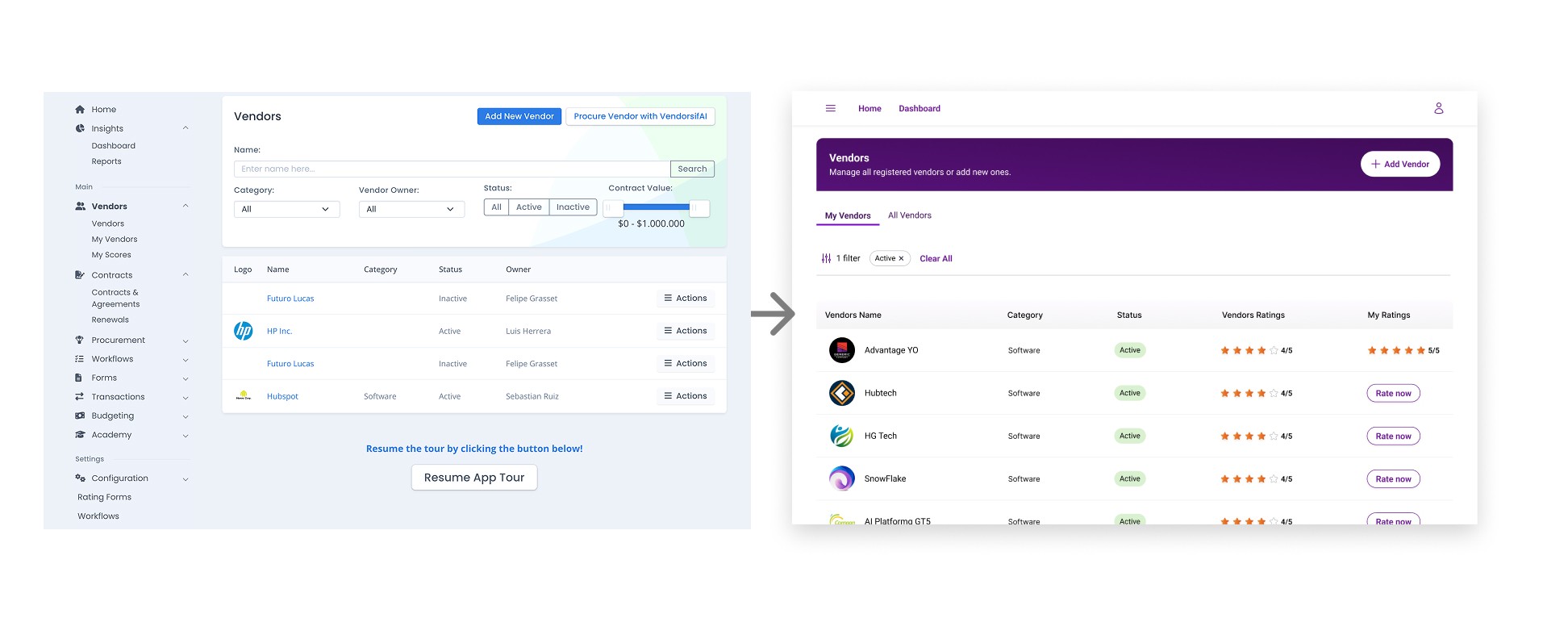
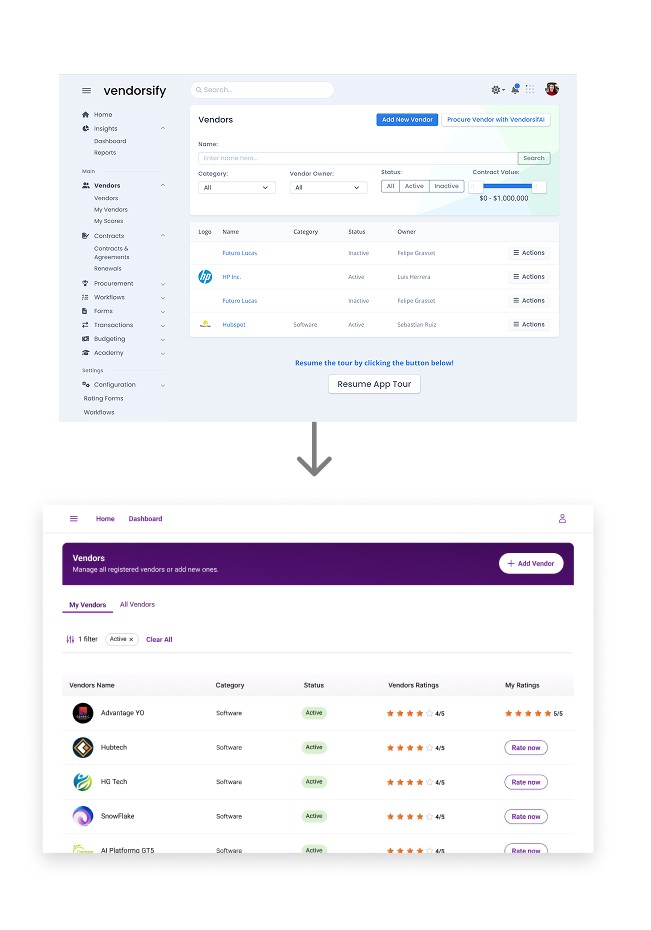
The product had been in development for 4 months but had not yet launched. While functional, it was burdened by deep design debt and an entirely unscalable architecture that could not support future growth.
The Pivot:
Recognizing that a "facelift" wouldn't solve the core issues — such as 7-14 day approval cycles and zero visibility — I moved beyond the initial UI brief. I successfully delivered the complete style guide as requested, but used that momentum to leverage my senior role, driving a complete strategic rethink of the product architecture and roadmap.
The Strategic Journey
1
Visualizing the Foundation Gap
Joined to build a style guide for a product burdened by 4 months of technical debt. I had to visualize what I already knew: a visual layer cannot fix a broken foundation. I demonstrated that the product required a fundamental restructuring to meet actual market needs.
2
Delivering Trust Through Impact
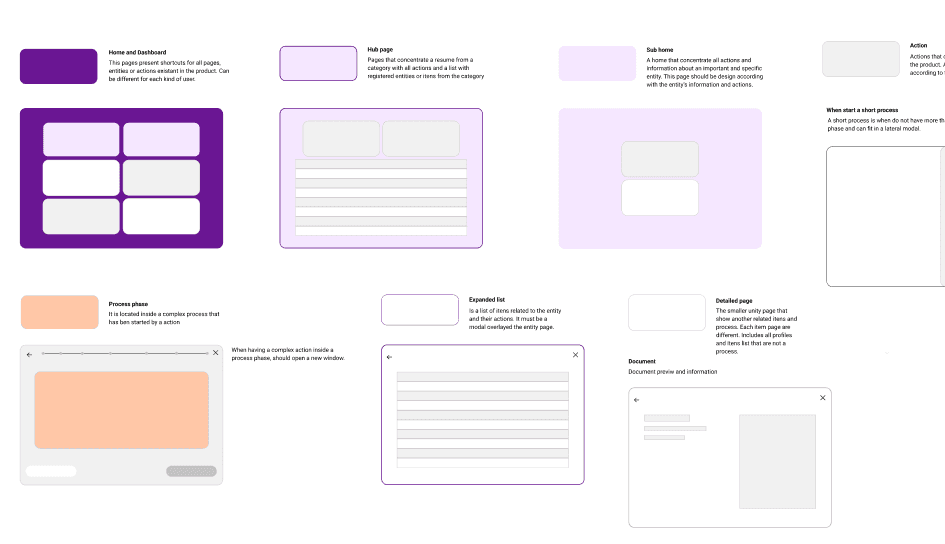
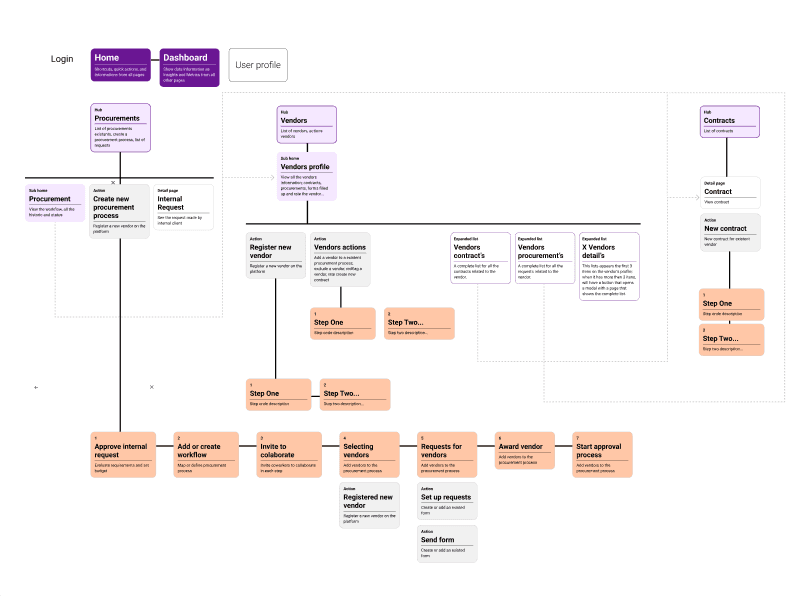
I delivered a comprehensive design architecture paired with a library of 30+ reusable components. This unified system provided the development team with the clear structural guidelines and assets they needed to maintain velocity and consistency during build.
3
The Strategic Pivot (with Tech Alliance)
Together with the Tech Lead, I advised leadership against continuing the current build. We proved that building without validation risked months of wasted effort and technical rework. I successfully negotiated an expanded scope to include deep research and a revised product strategy.
4
Uncovering the Real Pain
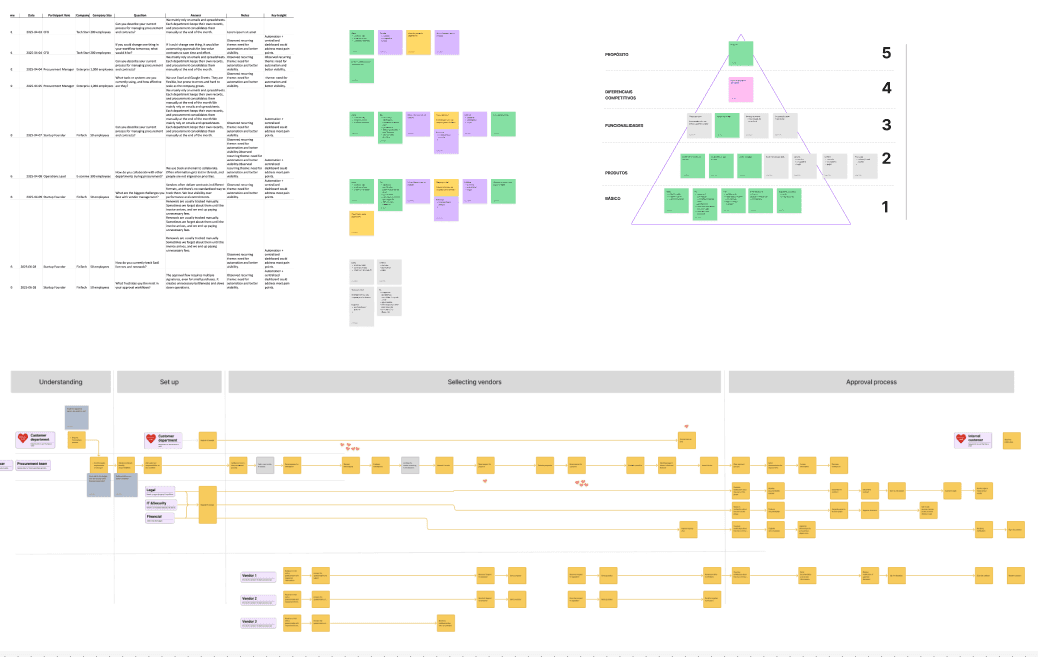
Conducted 5 deep-dive interviews with CFOs and procurement managers.
The Breakthrough: Research proved users didn't want complex AI automation yet; they needed "Visibility & Approval Speed." I shifted the team's focus from "build more" to "build clarity."
Design Execution & Validation
5
Negotiating the MVP & Roadmap
Collaborated with the founder (UK) and PM (Australia) to define a 3-phase roadmap.
Phase 1 (MVP): Focused on core vendor management, visual approval workflows with progress tracking, and basic budgeting.
6
Competitive Benchmarking
Analyzed legacy procurement tools and modern FinTech apps. I identified that the "blocker" in procurement wasn't the data entry, but the communication gap between departments. I borrowed mental models from project management tools to make "approval status" as intuitive as a Kanban board.
7
Feature Design & Prototyping
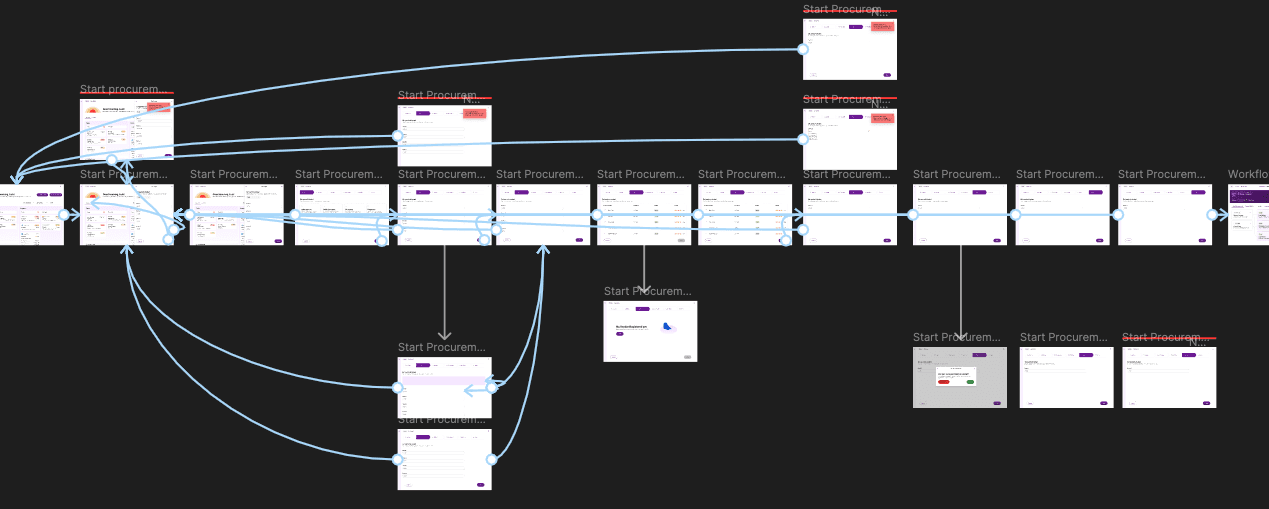
Designed the core feature set—including a centralized Vendor Dashboard and a Visual Approval Timeline—using high-fidelity interactive prototypes in Figma to simulate complex multi-step approvals. I validated these flows through iterative testing with 3 pilot customers, ensuring the logic was bulletproof and user-approved before a single line of code was written for the new architecture.
8
Designing for Complexity & Edge Cases
Deep-dived into detailed flows, ensuring all scenarios—including document version control, errors, and "not found" states—were included. This ensured the dev team had answers before they even asked.
Technical Leadership & Scale
9
Technical Leadership & Distributed Collaboration
Led a distributed team across three continents using a "Remote-First" approach. Established cross-functional rituals: weekly Loom walkthroughs for transparency and bi-weekly design critiques with developers in Chile/Spain.
10
Accelerated Ideation with AI
Utilized AI tools during the concept phase to rapidly explore interaction patterns and generate variations. Result: Accelerated the ideation process by approximately 30%, allowing more time for strategic validation.

Chat GPT: Conducting competitive benchmarking. Mapping out complex user scenarios.

Claude AI: Review and polish UX writing for better microcopy. Audit design patterns to ensure consistency across the flow
Figma AI: Design System Scaling: Automating the "busy work" of component building.
11
MVP Success & Readiness to Grow
Successfully launched the MVP with 3 pilot customers, receiving exceptional feedback on the improvement of procurement process. By combining a solid technical architecture with a validated design system, we didn't just ship a product—we delivered a high-performance, scalable engine ready for rapid market expansion.
❤️
You made it to the end!
Glad you stayed. Here's what else I've built
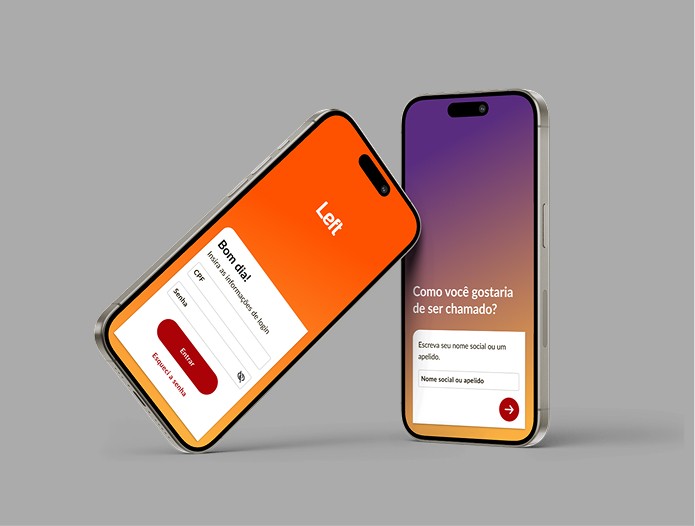
Financial Account App: From Zero to Market Launch
Building from zero, I used design to turn banking ambiguity into a shared vision—aligning teams through a minimalist experience that secured 27% growth.
Humanizing AI: In-App Communication Strategy
Driving a 22% increase in sales by bridging Data and Design through a human-centered AI communication strategy.